

CBD, short for cannabidiol, is a naturally occurring compound found in the hemp plant. While it has become a familiar term in wellness conversations, CBD is often misunderstood, oversimplified, or confused with marijuana-derived products. Understanding what CBD actually is—and what it is not—requires stepping away from marketing language and looking at the plant, the science, and the body’s biology.
At its core, CBD is not a drug, a shortcut, or a cure-all. It is a plant-derived compound that interacts with systems already present in the human body, supporting balance rather than forcing change.
What CBD Is—and What It Isn’t
CBD is one of more than 100 cannabinoids naturally produced by Cannabis sativa L., the plant species that includes both hemp and marijuana. The distinction lies in chemical composition, not plant family.
CBD vs THC: The Key Difference
- CBD is non-intoxicating
- THC is psychoactive
Hemp-derived CBD contains less than 0.3% THC by federal definition. At this level, THC does not produce a “high” or impair cognitive function. This is why CBD products can be used during the day and integrated into daily routines without altering perception or mental clarity.
CBD does not:
- Cause intoxication
- Create euphoria
- Impair judgment
- Alter awareness
This distinction is foundational and central to understanding CBD’s role in wellness.
Where CBD Comes From in the Plant
CBD is produced in the resin glands, known as trichomes, which are concentrated primarily on the flowers of the hemp plant. These glands also contain other naturally occurring compounds such as terpenes and flavonoids, which contribute to the plant’s aroma and protective mechanisms.
Why This Matters
The location and concentration of CBD within the plant directly affect:
- Extraction quality
- Cannabinoid profile
- Final product consistency
CBD extracted from responsibly cultivated hemp retains more of the plant’s natural integrity, which is why sourcing and farming practices matter long before CBD ever reaches a bottle.
How CBD Works in the Body
CBD’s effects are not random. They are connected to a biological system that already exists within the human body.
The Endocannabinoid System (ECS)
The endocannabinoid system is a regulatory network involved in maintaining balance across key functions such as:
- Stress response
- Sleep cycles
- Mood regulation
- Immune signaling
- Inflammatory response
The ECS is made up of receptors, naturally produced endocannabinoids, and enzymes that manage their breakdown.
CBD’s Role in the ECS
Unlike THC, CBD does not bind directly to cannabinoid receptors. Instead, it supports the ECS by influencing how receptors respond and by slowing the breakdown of the body’s own endocannabinoids.
This indirect interaction is why CBD is often described as supportive rather than forceful. It does not override the system; it helps it function more efficiently.
Why CBD Feels Different for Everyone
One of the most common misconceptions about CBD is that it should work the same way for everyone. In reality, individual response varies—and there’s a biological reason for that.
Factors that influence how CBD feels include:
- Endocannabinoid system sensitivity
- Body composition
- Metabolism
- Stress levels
- Sleep patterns
- Consistency of use
CBD does not act like a stimulant or sedative. Many people describe its effects as subtle, cumulative, and noticeable over time rather than immediate or dramatic.
This variability isn’t a flaw—it’s evidence that CBD works in cooperation with the body rather than against it.
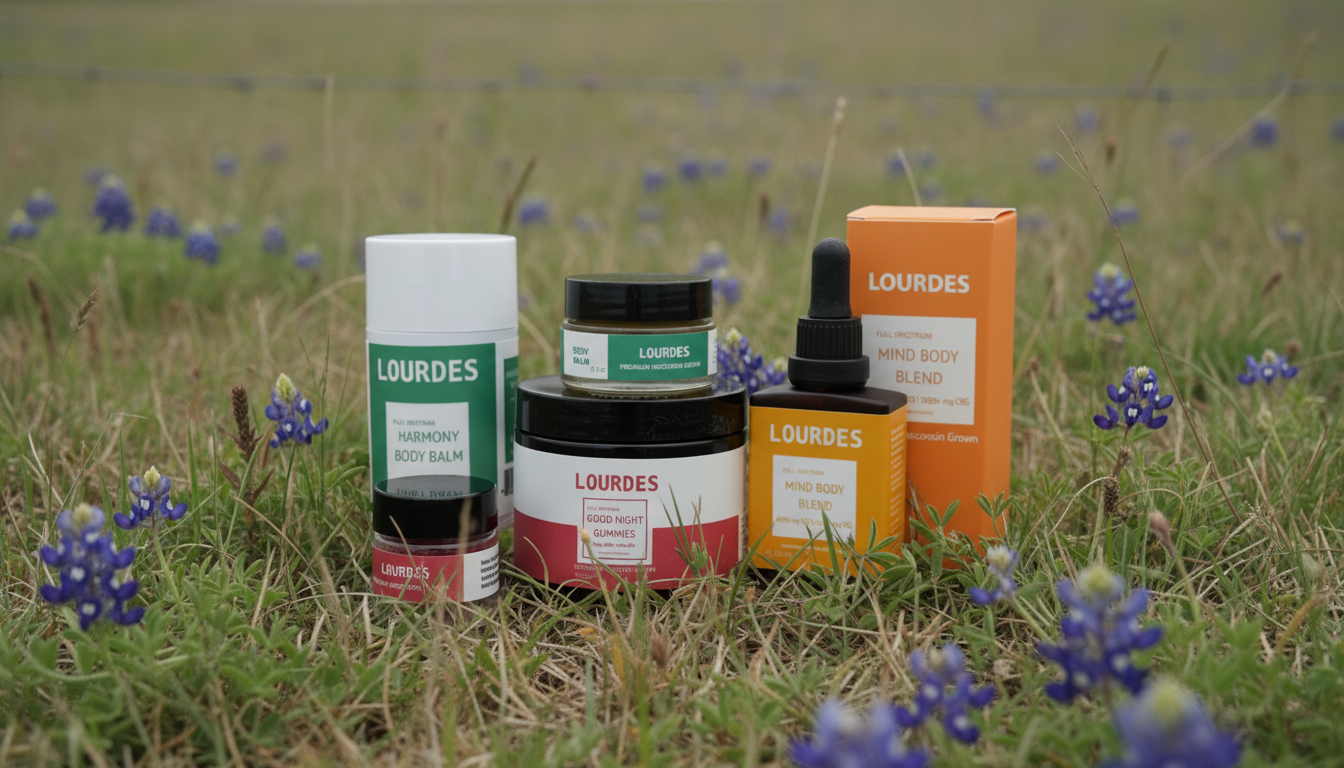
Hemp-Derived CBD and Natural Wellness
CBD’s growing popularity is closely tied to a broader shift toward plant-based, preventative wellness approaches. Rather than targeting isolated symptoms, CBD is often used as part of a larger lifestyle that prioritizes balance, routine, and long-term well-being.
CBD as a Support Tool, Not a Solution
CBD is most effective when viewed as:
- A complement to healthy habits
- A supportive compound, not a replacement
- Part of a consistent routine
It is not designed to “override” the body or mask issues. Its value lies in how it supports systems already responsible for regulation and recovery.
Why Quality and Source Matter
Because hemp is a bioaccumulator, it absorbs compounds from the soil it grows in—including unwanted contaminants. This makes cultivation and processing especially important.
High-quality CBD is typically:
- Sourced from organically grown hemp
- Extracted using clean methods (such as CO₂ extraction)
- Verified through third-party lab testing
These factors influence not only safety, but also consistency and effectiveness.
Common Misunderstandings About CBD
“CBD Will Make Me High”
It won’t. Hemp-derived CBD does not produce intoxicating effects.
“CBD Works Immediately”
For some, effects are subtle and build with consistent use.
“More CBD Is Better”
Not necessarily. Effective use is about finding the right amount, not the highest dose.
“All CBD Is the Same”
Source, extraction, spectrum type, and testing all matter.
What CBD Means for Everyday Use
CBD’s value isn’t in dramatic promises—it’s in quiet consistency. Many people incorporate CBD into daily routines focused on:
- Managing everyday stress
- Supporting rest and recovery
- Maintaining balance during demanding periods
When used intentionally, CBD aligns with a wellness mindset that prioritizes sustainability over quick fixes.
The Takeaway: Understanding CBD Clearly
CBD is a non-intoxicating compound derived from hemp that works with the body’s existing regulatory systems to support balance. Its effectiveness depends on quality, consistency, and individual biology—not hype or exaggerated claims.
Understanding what CBD truly is allows people to make informed decisions rooted in clarity rather than confusion. And in a wellness space crowded with noise, that clarity matters.
These statements have not been evaluated by the Food and Drug Administration. This product is not intended to diagnose, treat, cure, or prevent any disease.
